
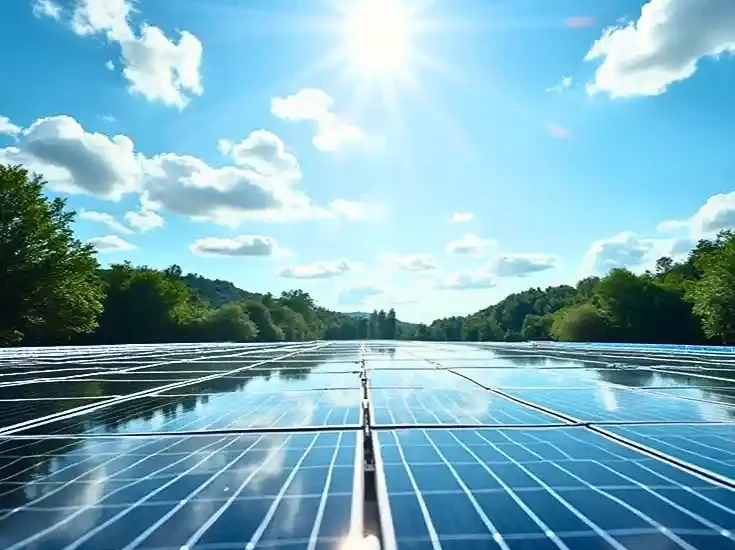
Solar energy has become one of the fastest-growing sources of renewable energy across the world. As electricity prices continue to rise and environmental concerns gain attention, more homeowners, businesses, and industries are turning to solar power as a reliable alternative to conventional energy sources.
Simply put, solar energy is the energy produced by the sun. Every day, the sun delivers an enormous amount of sunlight to the Earth—far more energy than humanity consumes. By using modern technologies such as solar panels, we can capture this abundant sunlight and convert it into usable electricity or heat.
Unlike fossil fuels, solar energy is clean, sustainable, and produces little to no greenhouse gas emissions during operation. Whether powering a residential rooftop system, a commercial building, or a large-scale solar farm, it helps reduce dependence on non-renewable resources while supporting a greener future.
In this guide, you’ll learn what solar energy is, how it works, its different types, key components, and the many benefits that make it one of today’s most promising energy solutions.
Table of Contents
ToggleWhat Is Solar Energy?
Solar energy is the radiant energy emitted by the sun that can be captured and converted into usable electricity or heat. It is one of the most abundant and renewable sources of energy available, making it an ideal solution for meeting growing global energy demands while reducing environmental impact.
The Earth receives enough sunlight in a single hour to meet the world’s energy needs for an entire year if it could all be efficiently captured. Modern solar technology allows homes, businesses, schools, factories, and agricultural facilities to harness this natural resource through advanced solar systems.
Unlike coal, oil, or natural gas, solar energy does not require burning fuel to generate power. This means it produces clean electricity with minimal pollution, helping reduce carbon emissions and combat climate change.
Why Is Solar Energy Important Today?
Solar energy is becoming increasingly important because it addresses several major global challenges at once.
It helps reduce dependence on fossil fuels, lowers electricity costs, improves energy security, and supports sustainable development. Governments worldwide are also encouraging solar adoption through incentives and renewable energy policies.
Some key reasons for its growing popularity include:
- Unlimited energy source
- Environmentally friendly electricity generation
- Lower electricity bills
- Low maintenance requirements
- Long lifespan of solar systems
- Reduced carbon footprint
- Energy independence
As technology continues to improve, solar power is becoming more affordable and accessible than ever before.
How Does Solar Energy Work?
The process of generating electricity from solar energy may seem complex, but it follows a straightforward sequence of steps.
Step 1: Sunlight Reaches the Solar Panels
Solar panels are installed where they receive maximum sunlight, typically on rooftops or open land. The photovoltaic (PV) cells inside the panels absorb sunlight throughout the day.
Step 2: Photovoltaic Cells Generate Electricity
Photovoltaic cells convert sunlight directly into direct current (DC) electricity through the photovoltaic effect. This process occurs without moving parts or fuel combustion, making it highly efficient and environmentally friendly.
Step 3: The Solar Inverter Converts Power
Most homes and businesses use alternating current (AC) electricity. A solar inverter converts the DC electricity generated by the panels into AC electricity that can power appliances, lighting, and equipment.
Step 4: Electricity Powers Your Home or Business
The converted electricity is distributed through the building’s electrical system. During sunny hours, much or all of the electricity demand can be met by the solar system.
Step 5: Excess Energy Is Managed
Depending on the type of system:
- On-grid systems can export excess electricity to the utility grid through net metering (where available).
- Hybrid systems store surplus energy in batteries while remaining connected to the grid.
- Off-grid systems store energy in batteries for use when sunlight is unavailable.
This efficient process enables solar energy to provide dependable electricity for a wide range of applications.
Types of Solar Energy
Different technologies are used to harness the sun’s energy, each designed for specific applications.
Photovoltaic (PV) Solar Energy
Photovoltaic solar energy is the most common form of solar power generation. Solar panels made up of photovoltaic cells convert sunlight directly into electricity without producing emissions during operation.
PV systems are widely used in:
- Residential homes
- Commercial buildings
- Schools
- Hospitals
- Industrial facilities
- Utility-scale solar farms
Their scalability and declining costs have made them the most popular solar technology worldwide.
Solar Thermal Energy
Solar thermal systems use sunlight to produce heat rather than electricity. Special collectors absorb the sun’s heat and transfer it to water or another fluid, making these systems suitable for heating applications.
Common uses include:
- Water heating
- Space heating
- Swimming pool heating
- Industrial process heating
Solar thermal technology is particularly effective in regions with consistent sunshine and high hot-water demand.
Concentrated Solar Power (CSP)
Concentrated Solar Power (CSP) uses mirrors or lenses to focus sunlight onto a central receiver, generating extremely high temperatures. The heat produces steam that drives turbines to generate electricity.
CSP plants are generally deployed in large-scale utility projects located in regions with strong direct sunlight, such as deserts. Some CSP systems also incorporate thermal energy storage, enabling electricity generation even after sunset.
Components of a Solar Energy System
A solar energy system consists of several interconnected components that work together to generate, convert, and manage electricity efficiently.
Solar Panels
Solar panels are the primary component of any solar system. They capture sunlight and convert it into direct current (DC) electricity using photovoltaic cells. The number of panels required depends on the energy needs of the property and the available installation space.
Solar Inverter
The solar inverter converts the DC electricity produced by the panels into alternating current (AC), which is compatible with household appliances and commercial electrical systems. Modern inverters also monitor system performance and improve overall efficiency.
Mounting Structure
The mounting structure securely holds the solar panels in place and positions them at an optimal angle to maximize sunlight exposure. Proper installation ensures durability and long-term performance, even under varying weather conditions.
Battery Storage
Battery storage systems store excess electricity generated during the day for use at night or during power outages. They are commonly used in hybrid and off-grid solar installations to improve energy reliability and independence.
Monitoring System
A monitoring system tracks the performance of the solar energy system in real time. It provides insights into electricity generation, energy consumption, and system health, allowing users to identify issues quickly and optimize performance.
Benefits of Solar Energy
Solar energy offers a combination of environmental, financial, and practical advantages that make it one of the most attractive renewable energy solutions for homes, businesses, and industries.
Environmental Benefits
Solar power generates electricity without burning fossil fuels, helping reduce greenhouse gas emissions and air pollution. By replacing conventional energy sources with clean energy, solar systems contribute to a healthier environment and support global efforts to combat climate change.
Financial Savings
Installing a solar energy system can significantly reduce monthly electricity bills by generating power from sunlight. Over time, the savings can offset the initial investment, making solar a cost-effective long-term solution. Many regions also offer incentives or net-metering policies that further improve the financial return.
Energy Independence
Generating electricity on-site reduces reliance on traditional power grids and fluctuating energy prices. With battery storage, users can store excess energy for later use, improving resilience during power outages and enhancing energy security.
Common Uses of Solar Energy
Solar energy has evolved far beyond rooftop installations. Today, it powers homes, businesses, farms, public infrastructure, and even remote communities. Its versatility makes it one of the most practical renewable energy sources available.
Residential Applications
Homeowners increasingly choose solar power for home to reduce electricity costs and become less dependent on the utility grid.
Common residential uses include:
- Powering household appliances
- Lighting and ceiling fans
- Air conditioners
- Water heaters
- Electric vehicle (EV) charging
- Battery backup systems
Many homeowners also install hybrid solar systems to ensure uninterrupted power during outages.
Commercial and Industrial Applications
Businesses use solar energy to lower operational costs and meet sustainability goals.
Examples include:
- Office buildings
- Shopping malls
- Hotels
- Hospitals
- Manufacturing plants
- Warehouses
- Educational institutions
Large commercial solar installations help organizations reduce long-term electricity expenses while enhancing their environmental credentials.
Agricultural Applications
Solar technology is transforming agriculture by providing reliable and cost-effective energy.
Common applications include:
- Solar water pumps
- Irrigation systems
- Electric fencing
- Cold storage units
- Greenhouse ventilation
- Farm lighting
These solutions reduce diesel consumption and improve farming efficiency, especially in rural areas.
Public Infrastructure
Governments are increasingly adopting solar power to improve public services.
Examples include:
- Solar street lights
- Traffic signals
- Railway stations
- Airports
- Government offices
- Public parks
These installations lower energy costs while supporting clean energy initiatives
Advantages and Limitations of Solar Energy
Like every energy source, solar energy has both strengths and challenges. Understanding these helps individuals and businesses make informed decisions.
Advantages of Solar Energy
Clean and Renewable
Solar energy generates electricity without producing greenhouse gases during operation.
Lower Electricity Bills
Once installed, solar systems significantly reduce monthly electricity expenses.
Low Maintenance
Most solar panels require minimal maintenance and can last 25 years or more.
Energy Independence
Generating electricity on-site reduces dependence on conventional power grids.
Increased Property Value
Homes equipped with solar systems often attract buyers looking for long-term energy savings.
Government Incentives
Many regions offer subsidies, tax benefits, or net-metering programs that encourage solar adoption.
Limitations of Solar Energy
Initial Investment
Installing a solar system requires an upfront investment, although costs have decreased considerably.
Weather Dependency
Cloudy or rainy conditions can temporarily reduce electricity generation.
Space Requirements
Larger systems require sufficient roof or land area.
Energy Storage Costs
Battery systems improve reliability but increase installation costs.
Performance Depends on Installation
Improper panel orientation or shading can reduce overall efficiency.
Common Myths About Solar Energy
Despite its popularity, several misconceptions still discourage people from adopting solar energy.
Myth 1: Solar Panels Work Only in Summer
Reality: Solar panels generate electricity whenever sunlight reaches them, even on cloudy days.
Myth 2: Solar Energy Is Too Expensive
Reality: Falling equipment prices and financing options have made solar more affordable than ever.
Myth 3: Solar Panels Require Constant Maintenance
Reality: Cleaning panels occasionally and scheduling periodic inspections are generally sufficient.
Myth 4: Solar Systems Cannot Power an Entire House
Reality: A properly designed solar system can meet most or all household electricity needs, depending on consumption and available sunlight.
Myth 5: Solar Panels Damage Roofs
Reality: Professional installation protects the roof and often extends its lifespan by shielding it from direct weather exposure.
The Future of Solar Energy
The future of solar energy looks exceptionally promising as technology continues to improve and renewable energy adoption accelerates worldwide.
Several emerging innovations are shaping the next generation of solar technology:
- High-efficiency solar panels
- Bifacial solar modules
- Floating solar farms
- Building-integrated photovoltaics (BIPV)
- AI-powered energy monitoring
- Smart inverters
- Advanced battery storage
- Solar-powered electric vehicle charging
Governments and businesses are investing heavily in renewable energy infrastructure to reduce carbon emissions and strengthen energy security.
As manufacturing costs continue to decline and efficiency improves, solar power is expected to become even more accessible for homes, businesses, industries, and rural communities.
Government Subsidies and Incentives for Solar Energy
Government subsidies and incentive programs have made solar energy more affordable for homeowners and businesses across India. One of the most significant initiatives is the PM Surya Ghar: Muft Bijli Yojana, which provides financial assistance to eligible households for installing rooftop solar systems.
Another major advantage is net metering, a system that allows consumers to export surplus electricity generated by their solar panels to the utility grid and receive credits on their electricity bills. By combining government support with net metering benefits, investing in solar energy becomes a cost-effective way to reduce energy expenses while promoting clean and sustainable power.
Conclusion
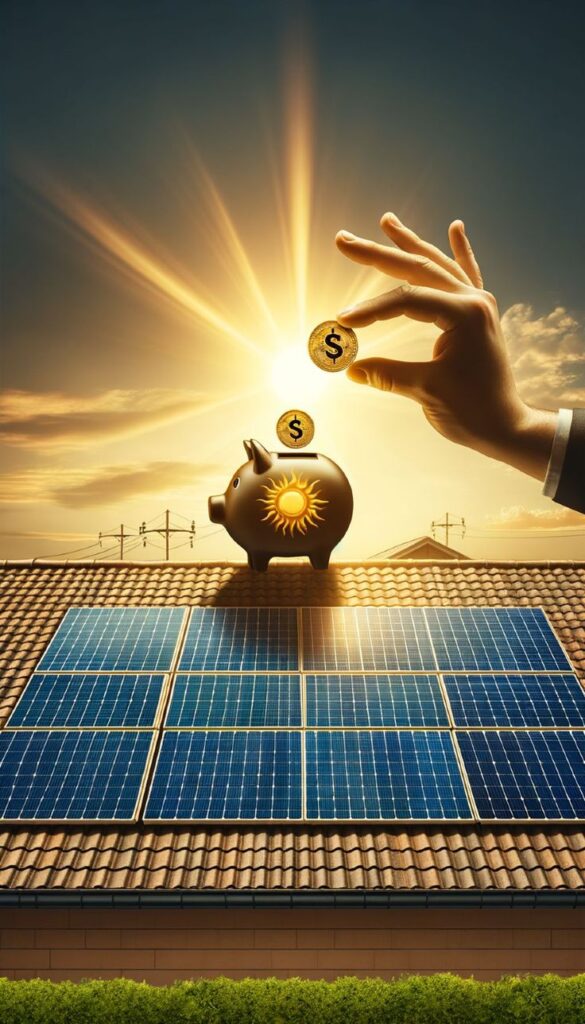
Solar energy has emerged as one of the most reliable, sustainable, and cost-effective renewable energy solutions available today. By converting sunlight into electricity or heat, it helps reduce dependence on fossil fuels, lower electricity bills, and protect the environment.
Whether you are a homeowner looking to reduce monthly energy costs, a business aiming to improve sustainability, or simply someone interested in clean energy, investing in solar power offers long-term benefits.
As technology continues to advance and governments promote renewable energy adoption, the future of solar energy is brighter than ever.
Ready to switch to clean energy? Explore VEYYON SOLAR the right solar solution for your home or business and take the first step toward lower electricity bills and a more sustainable future.
